
Here is your permission.
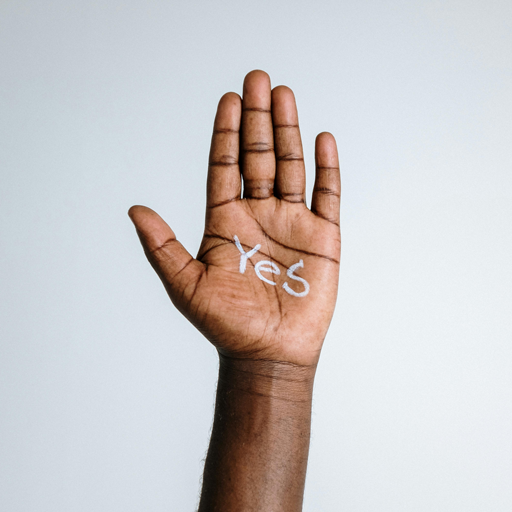
Not from a boss, a parent, a partner, or anyone who once made you feel like you needed to check first. From here, right now, on this page. Permission to pursue the thing that’s been sitting in the back of your mind. Permission to take the step, say the real thing, start the dream you’ve been renting space to for years.
Not permission to harm. Not permission to run over people on your way somewhere. Permission for the things that are best for you, your growth, your next move, your life.
There. It’s granted.
Now let’s talk about why you were waiting in the first place.
Before You Even Hit the Door
I know what it feels like to scan a room before you move through it.
Before I even reached the lunchroom door, the calculation had already started. I was looking for the usual suspects, the ones who had made it clear, repeatedly and without apology, that my presence in their space was a problem. I’d spot one and feel it immediately: stomach tightening, chest closing, muscles bracing before I had made a single conscious decision. Then the math began. Which direction first. Where the safe corner was. How to get a tray, get in line, get food, get seated, all while staying as far as possible from the people who had appointed themselves the arbiters of whether I belonged there.
This happened every day. Not dramatically. Just quietly, in my body, before I ever said a word to anyone.
Teachers were told. Teachers did what teachers sometimes do, which is nothing. So I found my own tools, with the help of people who may not have even known they were helping. And over time, things changed. I made different decisions about how I was going to move through the world. I changed my mind about what I was willing to accept and what I wasn’t.
But here is the part that took longer to change: the feeling in my body.
Long after the circumstances shifted, the tightening was still there. New room, different people, no actual threat, and still the scan. Still the calculation. Still the bracing. The body remembered what the mind had already moved past.
I still work through this. I’m not telling you this story from the other side of some permanent fix. I’m telling you because I know what it costs to spend your energy calculating permission to exist in a room, and because I know that cost is not yours to keep paying.
The permission I do not ask for anymore is existing.
The Feeler Question
Here’s the version that’s less obvious but just as real.
You have something you want to say. A real ask, a real dream, a real opinion. But instead of saying it, you throw out a version of it, softer, funnier, easier to walk back. A half-joke that’s actually a question. A “what do you think about people who…” that’s actually “what do you think about me.”
If it lands well, maybe you push a little further. If it doesn’t, you laugh it off. You let yourself and everyone else off the hook. And the real thing never gets said.
That’s not consideration. That’s your brain weasels running a proxy vote, handing your ask to someone else’s reaction before you’ve even made it. You’re not protecting yourself from rejection. You’re pre-rejecting yourself, and calling it caution.
The whole chest move, the one that costs something and means something, is saying the real thing. Not the feeler. The thing.
Permission vs. Boundaries
There is a kind of permission that’s worth asking for. When I sit down with a client and we’re approaching something tender, I ask permission before I go there. That’s not weakness. That’s respect. Honoring someone else’s autonomy over their own story is not the same thing as needing their approval to take up space.
Here’s the distinction: there is permission that honors other people’s boundaries, and there is permission you stopped needing to ask for the moment you decided you had the right to exist.
My spouse and I have an understanding about giving to people in need. We’ve talked about it. We’ve established what we’re both comfortable with. So when I give, within that understanding, I don’t need to ask permission. I have a conversation after the fact, not because I’m reporting in, but because we’re partners and that’s how partners work. That’s not permission-seeking. That’s a boundary that frees both of us.
The application is simple and not easy: decide, in advance, what you’ve already said yes to. What is already okay. What you’ve already given yourself permission for. Then stop waiting for someone else to confirm it.
When you know your own boundaries, when you’ve done the work of identifying what you actually value and what you actually want, you stop needing the room’s approval before you move through it.
What Are You Still Waiting For?
The permission was granted at the top of this post. The question now is what you’re going to do with it.
Grab something to write with.
What is the thing you’ve been waiting to start? Write it down. Now write whose permission you’ve been waiting for. A name, a group, a version of yourself from ten years ago that still has a vote it was never supposed to keep.
And then write this: what permission do you need to give yourself, before anyone else’s answer even matters?
That last question is the one that does the work. Not because the others don’t matter. Because that one is the only one you actually have the authority to answer.
If you’re still finding your sticking points, if you’re not sure where you’re telling yourself no more often than anyone else is, that’s exactly what the discovery call is for. Let’s figure out together where you’ve been denying yourself permission to chase your own dream.
No script. No pressure. Just a real conversation about where you are and where you want to go.
LaSchwann Killens is an ICF-trained life and executive coach and the founder of VALADD Coaching. He works with people who are ready to stop asking for permission they were never required to seek.